If you’re searching for a lash extension course, you’re probably excited, slightly overwhelmed, and trying to avoid wasting money on training that leaves you with more questions than confidence. That’s completely normal. Lashes can look simple from the outside, but good lash work is built on safety, precision, and repeatable technique.
At Line, we believe learners need more than a list of lash courses. They need a clearer way to understand what to take first, what skills matter most, and how to remain confident after the first certificate.
In this guide, we’ll break down the five things you need to know before choosing a lash extension course, including what different courses may cover, how progress usually develops, what to look for in certified training, and which retention problems good education should help you solve.
1. Not Every Lash Extension Course Covers The Same Things
One of the biggest mistakes beginners make is assuming every lash extension course teaches the same content. It does not.
What is included depends on the course type, the level, and whether the training is focused on one service or part of a broader lash pathway. A classic beginner course will usually cover different skills from a hybrid or volume-focused Russian course, and more advanced training may assume you already have foundation knowledge in place.
A strong lash extension course may cover some or all of the following, depending on the course:
- Lash anatomy, eye health, and contraindications
- Hygiene, sanitation, and safe setup
- Consultation skills and patch testing guidance
- Isolation technique and lash direction control
- Adhesive basics, humidity, and curing
- Classic lash placement, mapping, and styling
- Hybrid styling principles
- Volume fan control and weight selection
- Infills, removals, aftercare, and retail advice
That is why it is so important to look beyond the course title. What matters is not just whether a course says “lash extension” on the front, but what level of technique it is actually designed to build.
For example, hybrid lashes are not usually learned as a completely separate starting point. Because hybrid sets combine classic lashes with volume fans, learners generally need a foundation in both classic technique and Russian or volume-style fan work to create them properly.
Most beginners are surprised by how much strong training focuses on isolation and direction before anything else. That is a good sign. When those skills are solid, your sets look cleaner, feel more comfortable, and tend to last better.
That is also why we believe strong training should focus on foundations before speed or styling. That’s why we believe strong training must focus on foundations before speed or styling. The Line Method is designed around this principle, helping learners develop proper technique and real confidence, rather than simply collecting certificates.
2. A Good Lash Course Should Build Skill, Not Just Deliver Information
A course can look polished and still leave a beginner underprepared.
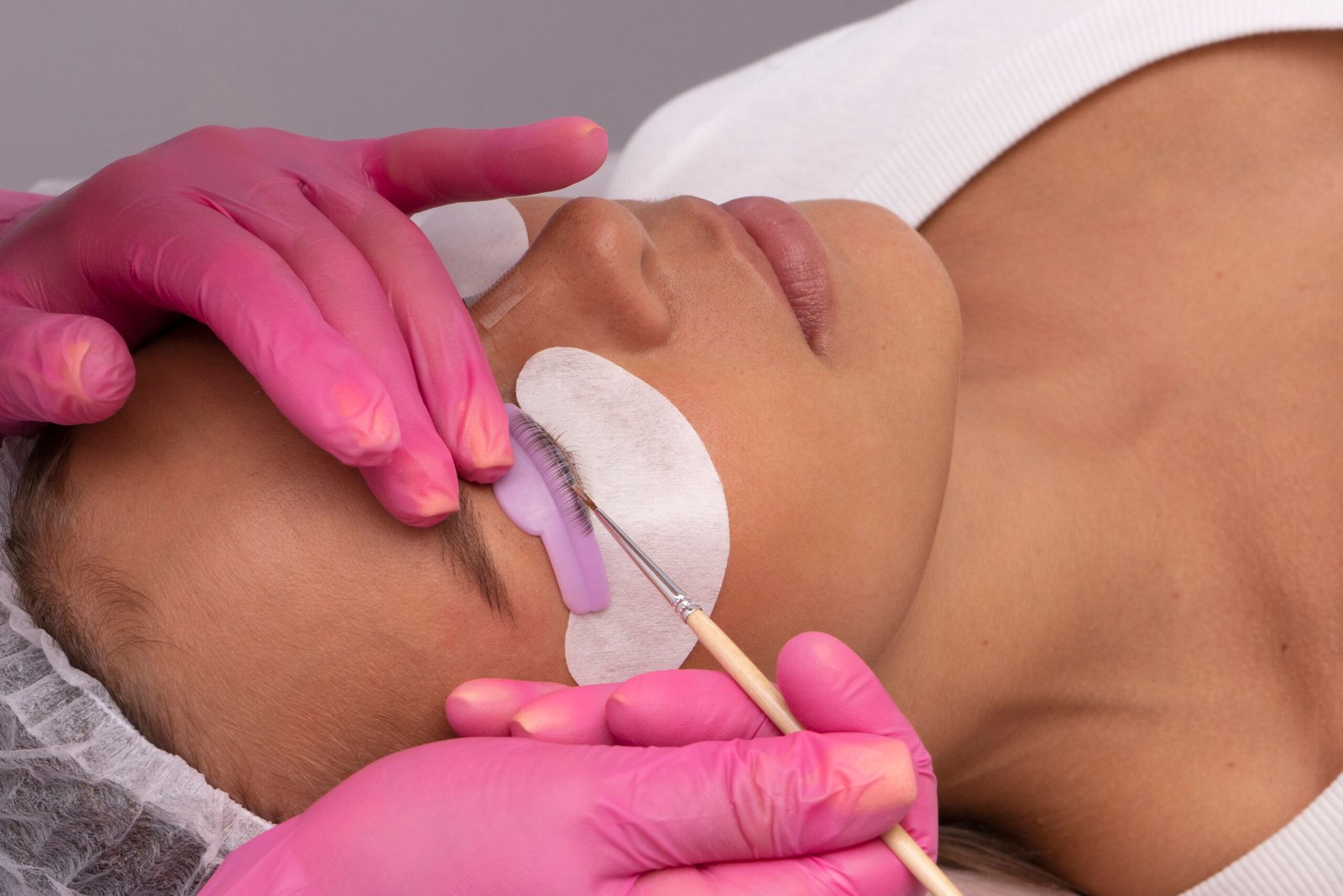
A good lash extension course should do more than explain theory or demonstrate a set once. It should help you understand what good work looks like, what common mistakes feel like in practice, and how to repeat the technique safely with more consistency.
That usually means training should include the following:
- Clear demonstrations with close-up technique detail
- Practical tasks or model work
- Guidance on isolation, direction, and attachment
- Troubleshooting around retention and stickies
- Enough explanation for you to self-check your work
This matters because the jump in lash confidence does not come from watching more content. It comes from understanding what to practise, what to improve, and what to fix when something goes wrong.
3. Progress In Lashes Is Better Measured By Skill Stages Than Timelines
One of the easiest ways to make lash training sound simpler than it is, is to attach everything to a fixed timeline.
In reality, progress depends on how often you practise, how quickly your hand skills develop, how well you troubleshoot, and how much support your training gives you along the way. Some learners move faster. Others take longer. That is normal.
What matters more is whether your lash extension course helps you move through the right stages clearly.
A realistic lash skill progression often looks like this:
Foundation Stage: Set-Up, Safety, And Isolation
At this stage, you are learning how to work cleanly, safely, and with control.
You should be building confidence in:
- lash station setup
- hygiene routine
- safe separation
- basic placement
- lash direction
Technique Stage: Mapping, Symmetry, And Attachment
Once the basics feel steadier, the focus shifts to creating more even, balanced sets.
You should be improving:
- lash mapping
- symmetry across both eyes
- length and curl choices
- attachment consistency
- separation and reduction of stickies
Retention Stage: Adhesive Control And Troubleshooting
This is the point where you begin to understand why some sets last better than others.
You should be learning how to assess:
- glue amount
- attachment points
- cleansing and prep
- humidity and drying conditions
- client aftercare habits
Client-Ready Stage: Styling Confidence And Service Delivery
As your technique becomes more repeatable, you move closer to taking real bookings with clearer boundaries.
This often includes:
- offering a simple service menu
- improving consultation confidence
- setting expectations for fills and maintenance
- building a portfolio with more consistent work
A good course provider supports this kind of progression through feedback, checklists, structured practice tasks, or clearer learning pathways. That is exactly the kind of gap Line is being built to solve so learners are not left feeling lost once the first course is finished.
4. A Certificate Matters Less Than What The Training Actually Prepares You To Do
A lot of beginners search for a certified lash extension course because they want reassurance that the training is legitimate. That makes sense, but the real question is not just whether a certificate is included. It is whether the course prepares you to produce safe, comfortable, repeatable sets.
When comparing training options, look for signs that the course actually builds real ability.
A stronger course will usually show evidence of the following:
- clear safety and hygiene coverage
- technique focus on isolation and lash direction
- guidance on lash weighting and natural lash health
- realistic practice tasks or model requirements
- retention troubleshooting in the curriculum
- learner outcomes beyond polished marketing photos
If you are considering an accredited lash extension course online, check whether it gives you a practical structure and a way to assess your own work, not just video access. Online training can work brilliantly, but only when it is designed for skill development rather than passive watching.
A useful question to ask is: would I know what to fix if my set did not last, twisted, or felt uncomfortable on the client? If the answer is no, the training may not be preparing you properly.
5. Good Training Should Help You Solve Retention Problems Early
Retention is one of the biggest concerns for beginners, and it is also one of the most important signs of whether your technique is developing properly.
Most poor lash retention causes come down to a small set of repeat issues. Good training should not just mention them. It should help you understand how to diagnose them and correct them with more confidence.
Common retention issues include:
- inadequate cleansing or prep before lashing
- using too much or too little adhesive
- incorrect attachment point or poor base contact
- lashing on baby lashes or weak natural lashes
- humidity or temperature not suited to the adhesive
- stickies from poor separation during application
- lash direction issues that create twisting and stress
- client aftercare gaps, including cleansing habits
Strong training teaches you how to think through retention like a system. You learn to check prep steps, review adhesive behaviour, and spot technical issues such as isolation gaps or weak attachment, rather than guessing or blaming the product.
If you want a simpler way to build that kind of consistency over time, Line is being built to help learners follow clearer practice pathways, revisit technique where needed, and keep progressing with more structure.
Next Step: Join The Waitlist For The Free-Trial Launch
If you’re serious about lashes and want training that feels easier to compare, easier to follow, and clearer to build on, Line is being built to support that journey.
The platform is designed to help learners find the right training for their goals, then build their skills in a more structured and connected way, instead of finishing one course and feeling unsure what should come next.
Join the waitlist to get the following:
- Early access to Line when we launch
- A free trial to explore courses and pathways
- Updates on all things lash training
FAQs related to LAsh Extension Courses
- Is An Accredited Lash Extension Course Online As Valid As In-Person?
It can be, provided the course is structured properly. A strong accredited lash extension course online includes clear close-up demonstrations, a practice plan, and a way to assess your work, such as checklists, assignments, or guided model requirements. In-person can be helpful for immediate feedback, but online training can be highly effective when it’s built for skill development. - How Much Does A Lash Extension Course Cost?
Costs vary depending on what is included, such as kits, assessments, support, and the level of training. Some lash extension courses are short introductions, while others are closer to a fuller lash technician pathway with more depth. Focus on what you are getting, especially practical training, troubleshooting, and safety coverage. - Can I Learn Hybrid Lashes As My First Lash Course?
In most cases, hybrid training makes more sense once you understand the foundations behind both classic placement and volume or Russian-style fan work. Because hybrid sets combine both, learners usually need enough confidence in each element to create a balanced result safely and neatly. - Can I Learn Lashes With An Online Lash Course?
Yes, you can learn lashes online if the course gives you a clear structure, strong technique demonstrations, and realistic practice tasks. The key is consistent practice and learning how to troubleshoot, especially around poor lash retention causes like prep, adhesive control, and isolation.
Ready To Start Your Lash Journey?
If you’d like to be first to know when the Line free trial is available and when lash courses go live, join the waitlist.