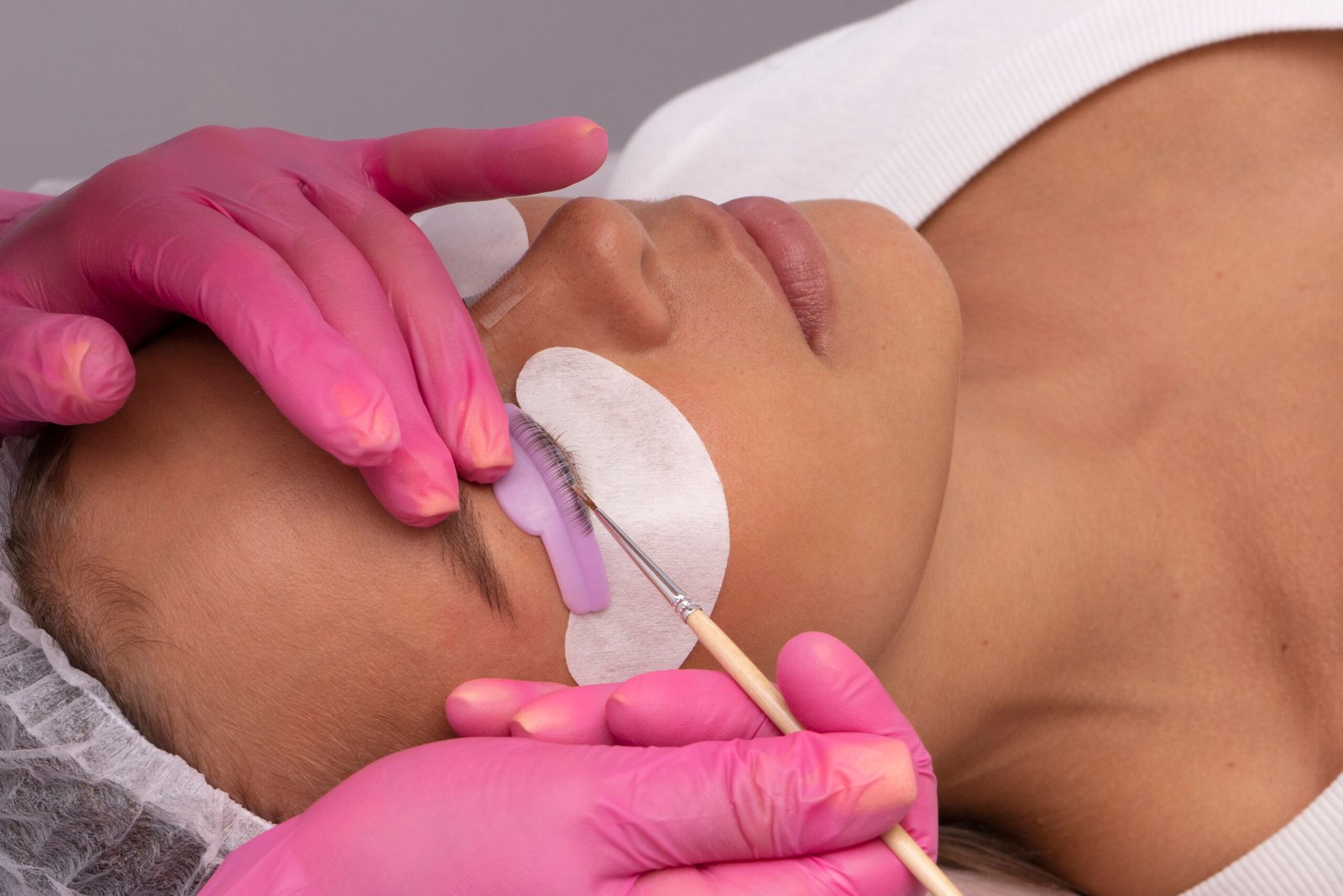
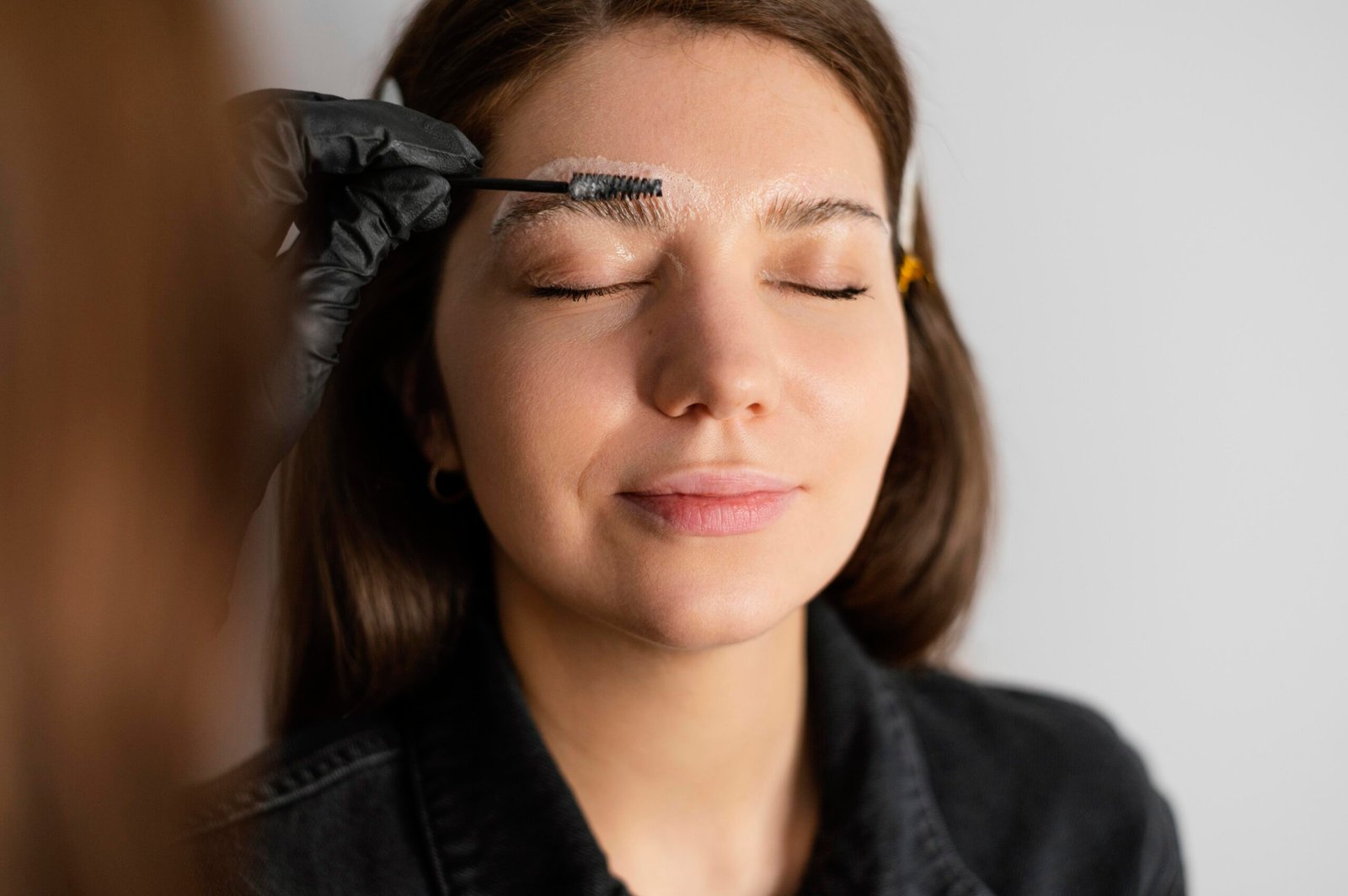
Brow lamination is one of those treatments that look effortless when it is done well. Smooth, lifted, fuller-looking brows can make the finished result seem simple, but beginners usually realise very quickly that good lamination depends on much more than brushing hairs into place.
Product control, timing, brow direction, client suitability, and aftercare all play a part in the outcome. That is exactly why the right brow lamination course matters. A strong course should not just show you the treatment steps. It should help you understand how to create a polished result safely, consistently, and with confidence.
Line came to life because we care about beginner beauty education. We noticed that many resources leave you piecing things together from quick tutorials and unclear lessons. Our goal is to make learning fun and supportive, ensuring you grasp the fundamentals with ease.
In this guide, we’ll break down what a brow lamination course should teach, how results progress after treatment, and what proper aftercare should include.
What A Brow Lamination Course Should Teach?
A good brow lamination course should go beyond a simple product routine. It should help beginners understand the full treatment process and the decisions that affect the final result.
Most strong brow lamination courses should cover the following:
- Client consultation and suitability.
- Brow hair structure and treatment theory.
- Product application and timing control.
- Hygiene, safety, and contraindications.
- Brow direction, setting, and finish.
- Brow shaping and tidy-up basics.
- Brow tinting awareness, where relevant.
- Aftercare guidance.
- Troubleshooting uneven or overprocessed results.
This matters because lamination is not just about creating a brushed-up look. It is about working with the brow hair safely and knowing how to create a result that still looks polished, wearable, and suited to the client.
That is also why practical support makes such a difference.
Line’s kits were put together to remove the guesswork so learners can practise with products and tools that actually support the training rather than trying to figure everything out alone.
Brow Lamination Online Course: Is It Worth It?
A brow lamination online course can work very well for beginners, especially if you need flexibility and want to revisit lessons as you practise.
A strong online course should offer:
- Clear step-by-step demonstrations.
- Beginner-friendly explanations.
- Proper safety and contraindication guidance.
- Lesson structure that builds in the right order.
- Troubleshooting support for common mistakes.
- A credible progression path.
For many learners, online study can actually make practical learning easier because you can pause, replay, and revisit the details that matter most. That is especially helpful with brow lamination, where timings, product placement, and brow positioning all need careful attention.
What makes Line different is that the learning experience is designed around how beginners actually learn best: clear modules, practical support, and a more modern structure that feels easier to keep up with.
Results Timeline: What Happens After The Treatment?
A good brow lamination course should also teach beginners what results typically look like over time, not just on the day of treatment.
A simple results timeline usually looks like this:
- Immediately after treatment: Brows look lifted, fuller, and more structured.
- First 24 to 48 hours: Aftercare matters most, as the brows are still settling.
- First week: The shape and direction should still look neat if the treatment has been carried out well.
- Following weeks: The result gradually softens as the treatment wears off.
This matters because beginners need to understand both the immediate result and the client’s expectations afterwards. A strong treatment result is not just about the first photo. It is also about how well the brows wear in the days and weeks that follow.
Aftercare: What Clients Need To Know
Aftercare is a key part of brow lamination, and any course worth taking should treat it seriously.
Clients should usually be advised to:
- Keep the brows dry for the recommended period.
- Avoid excess heat, steam, or friction straight after treatment.
- Follow any brushing or conditioning advice given.
- Avoid products that may interfere with the freshly treated brow hairs.
- Return to normal brow maintenance carefully.
Aftercare matters because even a well-performed treatment can be affected by poor client care immediately afterwards. Beginners need to understand that aftercare is not an optional extra. It is part of the overall service quality.
The educators at Line make sure that treatments are taught with the full service journey in mind, including what happens before, during, and after the appointment.
Next Step: Join The Waitlist For Line
If you are serious about learning brow lamination, the best first step is choosing training that helps you build proper technique and confidence from the beginning.
The strongest brow lamination courses should give you:
- Clear treatment foundations.
- Better understanding of timing and control.
- More confidence in shaping the final look.
- Stronger aftercare knowledge.
- A realistic path into future client work.
If that sounds like the kind of training you’ve been looking for, join the Line waitlist now and be first to hear about the free-trial launch.
FAQs related to Brow Lamination Course
- Is A Brow Lamination Course Suitable For Beginners?
Yes, as long as it is designed for beginners and teaches consultation, safety, product control, timing, and aftercare properly from the ground up. - Is A Brow Lamination Online Course Worth It?
Yes, it can be, especially if the course is well structured and gives you the chance to replay demonstrations and practise at your own pace. - Do I need Brow Shaping or Brow Tinting training too?
Not always, but understanding shaping and tinting can help you create a more complete and polished brow result alongside lamination. - How Long Do Brow Lamination Results Last?
That depends on the treatment, the client, and aftercare, but the effect usually softens gradually over the following weeks rather than disappearing all at once.