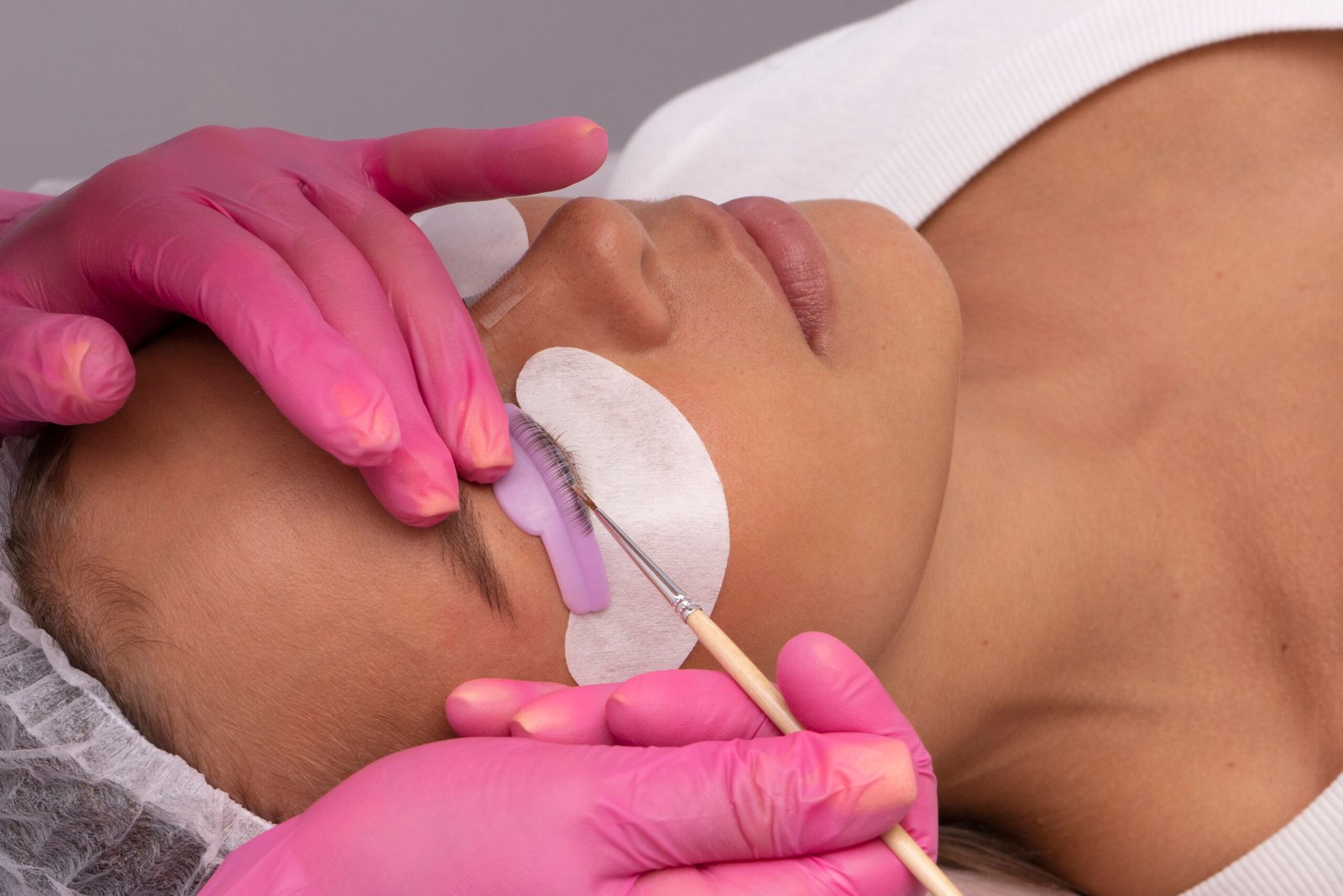
A brow lamination course should do more than teach you the steps of the service. Great results come from understanding timing, hair behaviour, consultation, product control and aftercare just as much as the treatment itself. That is why the best training does not stop at “how to do brow lamination” — it teaches you how to deliver results that actually last, look polished and keep clients coming back.
Why The Treatment Alone Is Not Enough?
It is easy to think a brow lamination course is simply about mastering the application process. In reality, the treatment is only one part of the outcome.
Strong results also depend on:
- Consultation and client suitability
- Patch testing and contraindications
- Understanding brow hair direction
- Product timing and control
- Shaping, symmetry and finish
- Clear aftercare advice
If any of those areas are weak, the final result can suffer even if the basic treatment steps are technically correct. That is why a course should teach the full service, not just the central procedure.
Great Results Start With Better Consultation
Before any product touches the brows, the consultation matters. A client’s brow pattern, hair texture, skin sensitivity and desired look all affect how the treatment should be approached.
A strong course should teach you how to:
- Assess whether the client is suitable
- Set realistic expectations
- Explain the likely end result clearly
- Spot issues before they affect the outcome
Line is positioned around proper beginner education, which means helping learners understand the why behind the treatment, not just the visible steps.
Timing, Control And Technique Change Everything
Brow lamination is one of those treatments where small mistakes can have very visible consequences. Overprocessing, uneven direction, weak hold or an untidy finish often come down to timing and control rather than a complete lack of knowledge.
That is why great training focuses on:
- How long products should stay on
- How brow hair behaves during the service
- How to keep direction neat and intentional
- How to avoid overworking the brows
- How to adapt when results are developing unevenly
Good technique is important, but controlled technique is what creates better, more reliable results.
Brow Mapping And Shaping Still Matter
A brow lamination course should never treat shaping as an afterthought. Even when the lamination itself is performed well, the result can still look unfinished if the brows are not balanced properly.
That means learners also need support with:
- Basic brow mapping
- Symmetry
- Managing natural brow growth patterns
- Knowing when tint or shaping improves the result
Aftercare Is Part Of The Result
A beautiful result on the day of treatment is not enough if the client does not know how to maintain it. Great brow lamination training should make aftercare feel just as important as application.
Clients need guidance on:
- What to avoid in the first 24 to 48 hours
- How to keep the brows looking tidy
- How long the result should realistically last
- When to rebook
- What can affect longevity
A course that skips over aftercare often leaves beginners underprepared. Better training helps you protect the treatment result long after the appointment ends.
Why Products And Kits Affect Learning?
The products you train with influence how confidently you learn. If the kit is poorly matched, inconsistent or unclear, it becomes much harder to understand timings, textures and expected results.
That is why kits should support the course properly, not sit separately from it. This is another place where Line feels like a natural fit, because Line’s own kits are designed to work with the training journey rather than leaving learners to guess what they should buy. For beginners, that kind of matched setup can make practice feel more consistent and far less confusing.
Great Training Builds Confidence, Not Just Completion
A certificate matters, but it is not what creates strong brow lamination results on its own. Confidence comes from understanding how the whole treatment works, how to avoid mistakes and how to repeat good outcomes consistently.
Great training should leave you with:
- A better understanding of the full service
- Confidence with consultation and technique
- More control over product use
- A realistic path towards repeatable results
Next Step: Join The Waitlist To Access Line
If you are comparing brow lamination course options, look beyond who teaches the treatment steps and pay closer attention to who teaches the whole service properly.
Line is being built for learners who want beauty education that feels structured, credible and genuinely useful in real work. With beginner-first course design, accredited progression, mobile-first learning and course-matched kits, Line offers a more complete route into brow lamination for people who want results that go beyond course completion.
Join the Line waitlist to get early access when the platform launches.
A brow lamination course is only as strong as the skills it builds around the treatment itself. Consultation, timing, shaping, aftercare and practice all play a major role in the final result.
FAQS
- What Should A Brow Lamination Course Include?
A brow lamination course should include consultation, patch testing, contraindications, treatment steps, product timing, shaping, aftercare and practical guidance. - Is Brow Lamination Hard To Learn?
It can be beginner-friendly, but great results depend on more than memorising the treatment steps. Timing, control and understanding brow shape all matter. - Why Do Brow Lamination Results Sometimes Look Uneven?
Uneven results can happen because of poor timing, inconsistent product placement, natural brow hair patterns or weak shaping and finishing. - Do I Need a Kit for a Brow Lamination Course?
In most cases, yes. A course-matched kit helps you practise with the right products and tools, which usually leads to more consistent learning. - Can A Brow Lamination Course Help Me Start Taking Clients?
Yes, a good course can help you build towards offering the service professionally, especially if it includes strong practical learning, assessment and a clear path to certification.