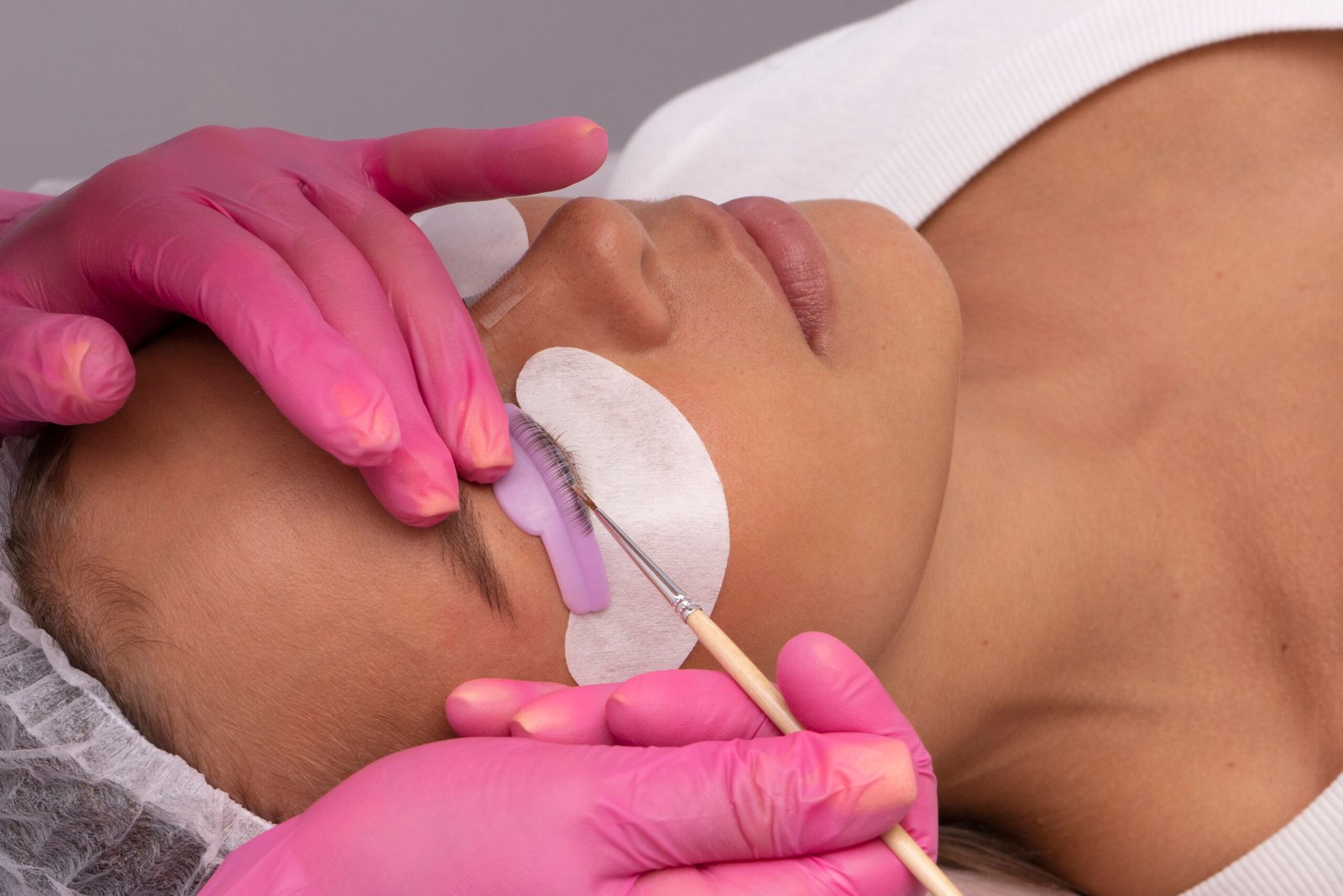
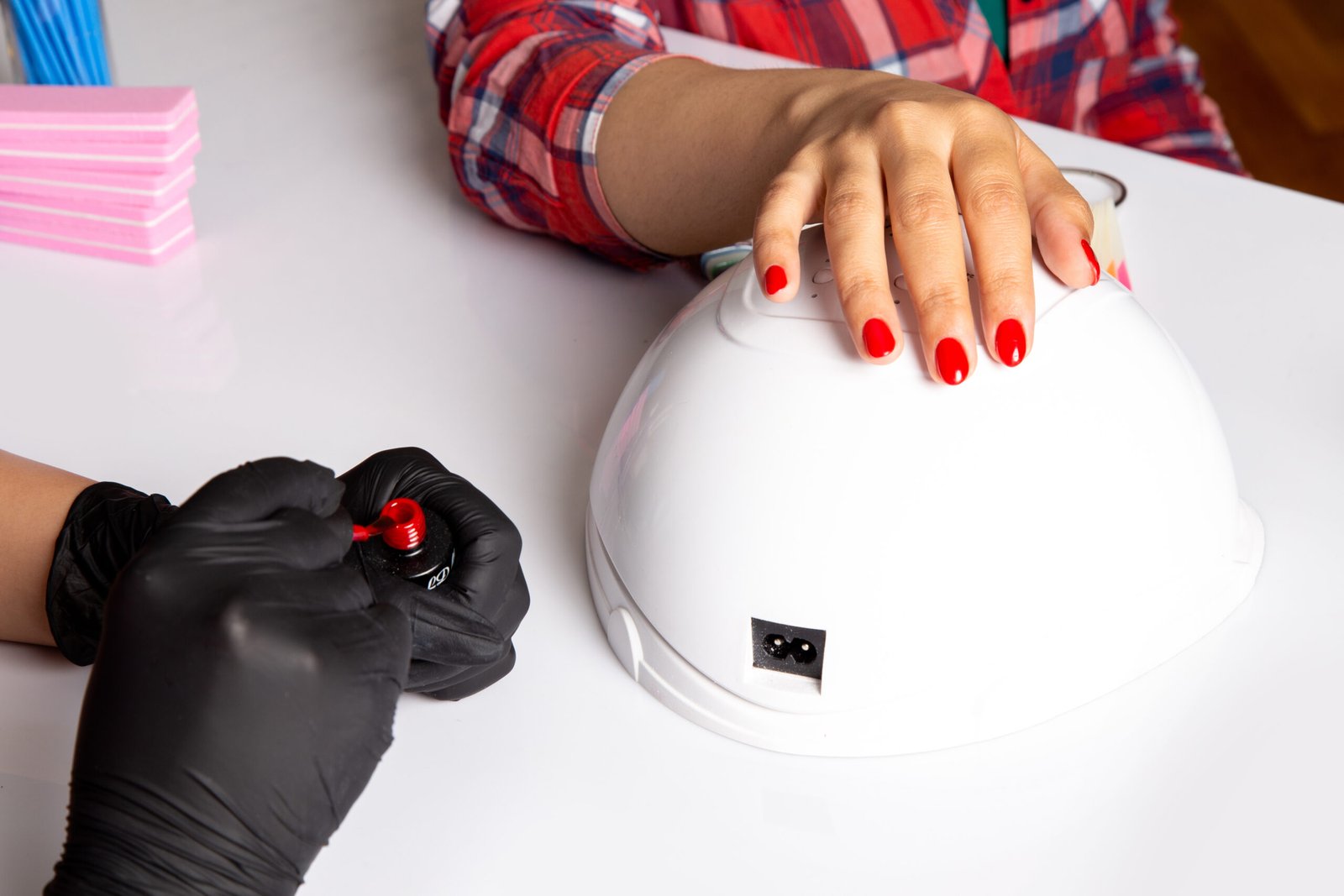
Some nail treatments become popular because they look good on social media. BIAB has stuck around for a different reason. Clients keep asking for it because it fits what many of them actually want: nails that look neat, feel stronger, and last better than a standard gel manicure. For learners, that makes it more than just another trend. It makes it a commercially useful skill.
That is why interest in a BIAB nail course has grown so quickly. People are not just looking for a new treatment to learn. They want to understand what BIAB does differently, why clients choose it over standard gel, and which type of training will help them get good results consistently.
A strong course should do more than explain the product. It should help you understand prep, overlays, structure, removal, and the reasons retention problems happen in the first place.
That is part of why Line is being shaped around beauty, learning that feels more practical from day one, giving beginners a clearer route into treatments that clients already want rather than leaving them to piece skills together from scattered content.
What Is A BIAB Nail Course?
A BIAB nail course teaches you how to work with Builder In A Bottle, a strengthening gel product designed to support the natural nail while creating a neat, polished finish. It is often chosen by clients who want something stronger than standard gel polish but more natural-looking than a full extension service.
A strong course should help you understand:
- What BIAB is and how it works.
- Who the treatment is suitable for.
- How BIAB differs from standard gel application.
- How to create overlays on the natural nail.
- How to maintain structure and finish.
- How to remove the product safely.
This matters because BIAB is often marketed as simple, but good results still depend on technique. Prep, apex placement, product control, and removal all affect how well the treatment performs.
For many beginners, BIAB also feels like a smart starting point because it sits close to what modern clients already ask for.
BIAB Nail Course Vs Gel Nail Course: Key Differences
If you are comparing a BIAB nail course with a gel nail course, the most important thing to understand is that these treatments are not exactly interchangeable.
A gel nail course often focuses on gel polish application, including prep, colour coats, curing, finish, and removal. BIAB training usually goes deeper into structure and strength because the product is designed to add support to the natural nail.
Some key differences include:
- BIAB is usually thicker and more structured than standard gel polish.
- BIAB is often used to support natural nail growth.
- Standard gel is typically more focused on colour and finish.
- The BIAB application usually requires a stronger understanding of overlay control.
- Removal and maintenance can differ depending on the service.
That is why some learners feel BIAB gives them more flexibility as a service. It can appeal to clients who want a clean, durable result without moving straight into extensions.
It also helps explain why BIAB keeps attracting attention in newer beauty education spaces. Rather than pushing outdated course models, Line is being built around treatments and learning journeys that reflect what today’s learners and clients are actually interested in, which makes BIAB a natural fit in that wider picture.
BIAB Nail Courses: What’s Taught (Prep, Overlays, Removal)
A quality BIAB nail course should teach more than how to apply the product neatly. It should show you how the whole service works from consultation through to aftercare.
Most strong courses should cover the following:
- Natural nail assessment.
- Hygiene and sanitation.
- Prep and cuticle work.
- Dehydration and base preparation.
- BIAB overlays on the natural nail.
- Product control and structure.
- Refining the finish.
- Maintenance and infill basics.
- Safe removal.
- Aftercare advice.
Prep is especially important. A lot of retention issues start before the product application even begins. That is why a good course should help you understand the early steps just as much as the visible ones.
This is also where online learning can work very well. Being able to replay demos and revisit specific steps can make technical details easier to absorb. That kind of repeatable, guided learning experience is much closer to what Line is aiming to offer than the usual “watch once and move on” course format, especially for beginners trying to build confidence from home.
How To Choose Between BIAB Nails Course Options?
Not every BIAB nails course gives you the same level of practical value. Some focus heavily on product promotion, while better training focuses on helping you understand the service properly.
When comparing courses, look for:
- Clear teaching on prep and hygiene.
- Strong explanation of BIAB structure and overlays.
- Guidance on product control and common mistakes.
- Proper coverage of removal and aftercare.
- Step-by-step demonstrations.
- Beginner-friendly delivery if you are new.
- A format that makes progress easy to follow.
This matters because BIAB is a treatment where the technique really shows. Small errors in prep or application can affect wear, finish, and client satisfaction.
A good course should not leave you feeling like you need to search for ten more tutorials afterwards. It should make you feel like you understand the treatment, the common problems, and the next step in your learning.
Next Step: Join The Waitlist For Early Access
If you are serious about learning BIAB properly, the next step is choosing training that helps you build technique, confidence, and a better understanding of why the treatment works.
The strongest BIAB nail courses should help you build:
- Clear prep and hygiene foundations.
- Better product control and overlay technique.
- More confidence with structure and finish.
- Stronger understanding of removal and retention.
- A realistic route into future client work.
That is the kind of beauty learning experience Line is being built to support: mobile-first, beginner-friendly, engaging enough to keep people progressing, and structured around qualifications and skill-building rather than passive beauty content.
If that sounds like the kind of training you have been looking for, join the waitlist now and be first to hear about launch updates, early access, and the free-trial release.
FAQs related to BIAB Nail Courses
- Is A BIAB Nail Course Suitable For Beginners?
Yes, as long as the course is designed for beginners and explains prep, product control, overlays, removal, and aftercare clearly from the ground up. - How Long Do BIAB Nail Courses Take?
That depends on the format and how much depth is included. Some courses focus on core treatment steps, while broader training may include more practical learning and support. - Is BIAB Better Than Gel (Gel Nail Course)?
Not always better in every situation, but BIAB is often preferred when the goal is added strength and support for the natural nail rather than a standard gel polish finish. - Why Are My Gel Nails Peeling After One Day?
This usually points to prep or application issues, such as incomplete cuticle work, oil on the nail plate, product touching the skin, or poor curing.